Old Brompton Road removals access challenges and solutions
Moving on or near Old Brompton Road can look simple on a map, then suddenly feel much more complicated once a van arrives and the reality of tight frontage, busy traffic, awkward parking, and shared access kicks in. That is exactly why Old Brompton Road removals access challenges and solutions deserves proper planning, not a last-minute shrug and hope-for-the-best approach.
Whether you are moving from a mansion flat, a basement apartment, a top-floor walk-up, or a compact office space, the access problem is often the thing that decides how smooth the day feels. The good news? Most access issues can be managed with the right vehicle choice, timing, packing method, and a clear loading plan. In this guide, we will walk through the practical realities, the risks, and the fixes that actually work on the ground. No fluff. Just the stuff that saves time, money, and a fair bit of stress.
Why Old Brompton Road removals access challenges and solutions Matters
Old Brompton Road sits in a part of London where space is valuable and movement is not always easy. That sounds obvious, but it matters because removals are never just about carrying boxes from one address to another. They are about fitting a lorry, a van, movers, neighbours, traffic flow, building rules, and your schedule into one working day. If access is poor, the whole job slows down. If access is planned well, the move feels much lighter.
In practical terms, access challenges can affect:
- How close the vehicle can park to the property entrance
- How many trips movers need to make
- Whether bulky items can be moved safely without damage
- How long the job takes overall
- Whether neighbours, pedestrians, or building managers are disrupted
That is why the phrase "access solution" is not just jargon. It can mean the difference between a tidy, efficient move and a long, awkward day with tired arms and a van parked nowhere near where you need it. Let's face it, nobody wants to discover at 8:15 in the morning that the lift is tiny, the bay is occupied, and the sofa will not fit round the stair turn.
For local moves, this is especially important if you are arranging a flat move, a house move, or a small business relocation. Services such as flat removals, house removals, and office removals all benefit from a realistic access plan before moving day even begins.
How Old Brompton Road removals access challenges and solutions Works
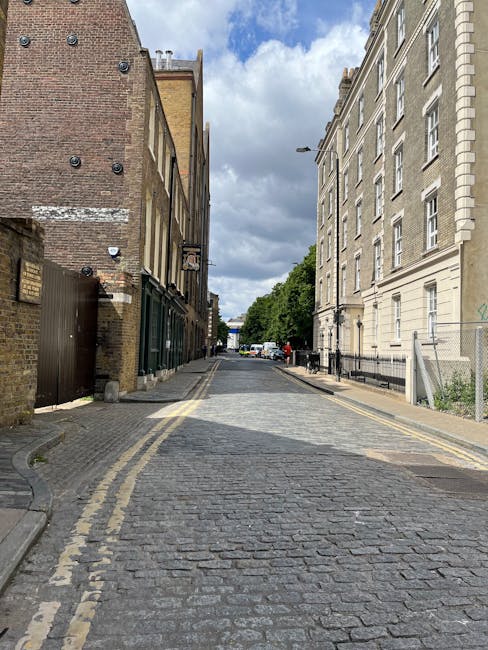
The process starts with understanding the property and the street. Old Brompton Road and its surrounding streets can involve busy traffic, controlled parking, narrow entry points, shared courtyards, basement access, and building-specific restrictions. So the working method is simple in theory: assess access first, choose the right vehicle and team next, then load in a way that reduces backtracking and delay.
A sensible access plan usually includes these steps:
- Property assessment - check stairs, lift size, doorway width, hallway turns, loading distance, and any obstacles.
- Vehicle selection - choose between a smaller man and van setup, a larger removal van, or a moving truck where suitable.
- Timing plan - avoid peak congestion where possible and build a buffer for loading delays.
- Protection and packing - use proper wrapping, cartons, and item grouping to reduce handling time; see packing and boxes and packing and unpacking services.
- Load sequence - move the largest and heaviest items first, then the boxed items, then the fragile bits.
- On-site coordination - communicate with building staff, porters, or neighbours if shared access needs to be managed carefully.
In a good removal, access planning is almost invisible. That is the point. You do not want a dramatic scene with a wardrobe wedged in a stairwell. You want calm, predictable movement. A bit boring, frankly. Boring is good on moving day.
Where access is limited, a specialist can split the move into smaller loads, arrange short-stay loading, or use additional manpower so items are carried safely over longer distances. If items need to be stored for a while because access is awkward or the move dates do not line up, short-term storage can help the whole plan stay sane.
Key Benefits and Practical Advantages
Getting access planning right brings benefits that people usually notice only after the move is over. The day feels shorter. Damage risk goes down. Stress goes down too, which is saying something because removals are not exactly a relaxing hobby.
- Less lifting distance when the vehicle can park properly
- Reduced risk of breakages because items are moved with fewer awkward turns
- Faster turnaround for the property, building, or office
- Better neighbour relations when loading is organised and tidy
- More accurate costs because the team can quote with access realities in mind
- Safer handling for staff and property alike
There is another practical benefit people often miss: better access planning makes it easier to choose the right removal format. For example, a compact flat move with limited loading space may suit a man with van service, while a larger household move may need a more structured team through removals or removal services. That choice matters more than people expect.
Expert summary: If access is tight, do not think in terms of "How do we force the move?" Think in terms of "How do we reduce the number of difficult movements?" That shift in thinking solves a lot.
Who This Is For and When It Makes Sense
This topic matters for anyone moving in the Old Brompton Road area, but some people feel the pain more than others.
Home movers
If you are moving from a period conversion, a flat with narrow stairs, or a property with a basement entrance, access issues are likely. Families moving larger furniture, cot beds, wardrobes, or corner sofas need a plan that works around the building, not against it. Many people turn to home moves or house removalists for exactly this reason.
Flat tenants and leaseholders
Old Brompton Road has plenty of apartments and converted buildings. A smaller lift, no lift at all, or controlled entry windows can make a normal move feel like a mini logistics project. That is where flat removals are especially useful, because they are built around the realities of apartment access.
Students and shorter-term renters
Students and movers with fewer items still hit access problems. In fact, smaller moves can be tricky because they are often done quickly and with little preparation. A well-timed student removals service can be a smarter choice than trying to do everything in one rushed afternoon.
Businesses and offices
For commercial premises, access problems can affect staff, stock, equipment, and customer flow. A poor loading plan can interrupt the whole working day. That is why commercial moves and office relocation services should always begin with a site check, not a guess.
If you recognise your situation in any of those examples, this is probably not one of those "we'll figure it out on the day" jobs. Better to plan now than apologise later.
Step-by-Step Guidance
Here is the cleanest way to handle Old Brompton Road removals access challenges without turning the move into a long, messy day.
- Survey the route from vehicle to property
Walk it properly. Note kerbs, steps, tight gates, door closers, lifts, turning points, and where items may snag. A route that looks short can still be awkward. - Measure bulky items and access points
Check the dimensions of sofas, beds, wardrobes, desks, and white goods against doors, stairs, and lift openings. One small measurement mistake can create a very silly delay. - Pick the right vehicle size
A smaller van may be easier to position in a constrained street. A bigger vehicle may reduce trips but be harder to park. The "best" option depends on distance from the property and parking reality, not just load size. - Plan your packing with access in mind
Pack by carry order, not only by room. Essentials, heavy boxes, and fragile items should be separated clearly. Services like packing and boxes can save time if you are juggling a lot. - Prepare the building
Tell building management, neighbours, or porters when needed. If a lift booking, loading bay arrangement, or entry code is required, sort it early. Do not leave it to memory. Memory is unreliable on moving day. - Schedule the move carefully
Choose a time that reduces traffic pressure and makes access easier. An early slot is often calmer, though not always. You know your building and street better than anyone, so use that knowledge. - Have a backup plan
If the bay is blocked, the lift is out, or weather makes the route slippery, what is Plan B? A decent removal plan has one. Sometimes that means switching to a smaller vehicle or using storage temporarily.
A simple truth here: the move usually goes wrong where nobody bothered to look closely enough. Once you look closely, the solutions are often pretty straightforward.
Expert Tips for Better Results
These are the small decisions that often make a bigger difference than people expect.
- Use a shorter carry strategy whenever possible. Parking closer matters more than many customers realise.
- Label boxes by priority, not just by room. "Open first" boxes save time later.
- Keep fragile items separate from awkwardly shaped objects, especially if a stairwell is involved.
- Break down furniture before moving day if it can be safely disassembled.
- Protect shared areas such as hallways or lifts, particularly in managed buildings.
- Allow extra time for loading if parking or access is uncertain. It usually is, at least a bit.
- Use a local team that understands London streets. Familiarity with tight roads and loading habits saves faffing about.
In our experience, one of the smartest choices is combining the right vehicle with the right service format. A lighter move may be best handled by a man and van arrangement. A more demanding property with multiple large pieces may need removal van support or a full-service approach. The best option is the one that matches the access, not the other way round.
And yes, one of the least glamorous but most useful tips is this: keep the kettle accessible. After a long morning of staircases and boxes, hot tea does emotional heavy lifting.
Common Mistakes to Avoid
Most access problems are predictable. That is the annoying part. But it also means they are avoidable.
- Assuming parking will work itself out - on busy roads, that is a risky bet.
- Underestimating stair difficulty - narrow turns and low ceilings can be more awkward than the steps themselves.
- Booking the wrong vehicle size - too large can be impossible to position; too small can mean endless trips.
- Not telling the movers about restrictions - lift rules, concierge systems, and timed access windows matter.
- Packing items in a way that blocks handling - oddly shaped boxes slow everything down.
- Leaving bulky furniture intact - sometimes it just will not pass cleanly through the route.
- Ignoring weather - rain makes entrances slippery and slows loading. London drizzle has a way of showing up uninvited.
One more thing: people sometimes assume that access issues automatically mean a more expensive move. Not always. Sometimes a better plan reduces cost by shortening the job. The surprise is usually in the planning, not the bill.
Tools, Resources and Recommendations
You do not need a bag full of fancy gear, but a few practical tools help enormously.
- Measuring tape for doors, furniture, and lift openings
- Floor plan or rough sketch of the property and entry route
- Box labels and markers for clear room-by-room organisation
- Furniture wraps, blankets, and tape to protect edges and surfaces
- Access notes written down and shared with everyone involved
- Spare loading time in the schedule for unexpected delays
If you want the move to feel organised from start to finish, combine practical packing support with sensible service selection. Removal companies vary in how they handle access, so it is worth choosing one that asks the right questions before the move. If you want help with the unpacking side as well, packing and unpacking services can take a lot of pressure off the first evening in the new place.
For people with expensive or awkward items, specialist support is worth considering. Think pianos, oversized mirrors, antique furniture, or anything that needs extra care. In those cases, the right process matters more than speed. If the item is delicate and the access is poor, do not improvise. Really, just don't.
Law, Compliance, Standards, or Best Practice
Removal work in London is shaped by practical compliance, building rules, and sensible safety behaviour. While specific arrangements vary by property and street, the main expectations are fairly clear: load safely, avoid blocking traffic, protect people and property, and respect access conditions set by the building or local authority.
From a best-practice point of view, movers should consider:
- Health and safety during lifting, carrying, and loading
- Safe vehicle positioning so the route is not hazardous
- Property protection for walls, floors, and shared spaces
- Insurance awareness so everyone knows what is covered
- Reasonable communication with the customer about risks and limitations
If you are comparing providers, it is sensible to review their health and safety policy and insurance and safety information. That does not solve the access issue by itself, of course, but it gives you confidence that the job will be handled responsibly.
You may also want to check practical terms around timing, payment, and expectations. The pages on terms and conditions and payment and security can help set a sensible baseline before moving day. Nice and boring. Again, boring is good.
Options, Methods, or Comparison Table
Different access situations call for different approaches. Here is a straightforward comparison to help you choose the right method.
| Method | Best for | Strengths | Trade-offs |
|---|---|---|---|
| Man and van | Smaller loads, quick moves, limited access | Flexible, easier to position, often simpler in tight streets | May require more trips for larger loads |
| Removal van | Medium-sized domestic moves | Good balance of capacity and manoeuvrability | Still needs workable parking and a clear loading plan |
| Moving truck | Larger moves with lots of furniture or boxes | More capacity in fewer runs | Harder to place on narrow or congested roads |
| Full removals team | Complex access, heavy items, larger properties | More manpower, better handling, stronger coordination | Usually needs more planning and can cost more than a simple van job |
| Storage plus staged delivery | Awkward move dates or very restricted access | Reduces pressure on move day, keeps items safe temporarily | Requires extra coordination and may add an interim step |
The right answer is rarely "largest vehicle possible." It is usually "the most suitable method for this street, this building, and this volume of stuff." Small distinction, big impact.
Case Study or Real-World Example
Imagine a customer moving from a first-floor flat near Old Brompton Road with a narrow communal staircase, a long internal corridor, and only a short loading window outside. The biggest issue is not the distance between addresses. It is the awkward carry route and the lack of easy roadside space.
In a situation like this, a practical approach would likely include:
- a smaller vehicle that can position more easily
- pre-packed boxes grouped by weight
- protective wrapping for the sofa, table, and wardrobe doors
- early collection to reduce street congestion
- extra movers for the heaviest items
- a backup plan if a parking space is unavailable
The actual move then becomes a series of short, controlled lifts instead of a long chain of frustrations. The sofa is carried first. The fragile boxes are kept separate. The hallway corners are protected. The job still takes effort, naturally, but it does not spiral into chaos.
A small business move works in a similar way. If office access is limited and staff still need to work around the relocation, the move may be better handled as a staged process using office removals with temporary storage for non-essential items. That keeps the operation manageable and lowers the chance of damage or disruption.
Practical Checklist
Use this before the removal date. It is simple, but it works.
- Confirm the exact property access route from street to front door
- Measure the widest furniture items and the narrowest turning points
- Check whether lift access, entry codes, or booking windows are required
- Decide whether a van, removal van, or moving truck is most realistic
- Label boxes clearly and separate fragile items
- Tell building management or neighbours if needed
- Protect floors, door frames, and shared areas
- Keep important documents and valuables with you
- Allow time for traffic, parking delays, and unexpected access issues
- Review service details before the day so nothing is vague
Quick takeaway: good access planning is not an extra chore. It is the move.
Conclusion
Old Brompton Road removals access challenges are manageable when you treat them as a planning problem rather than an afterthought. Once you understand the street, the building, the vehicle, and the carry route, most of the stress starts to shrink. That is the real solution: not luck, but preparation.
Whether you are organising a flat move, a family house move, or a business relocation, the same principle applies. Make access the first question, not the last. Do that, and the whole day tends to feel calmer, safer, and far more in control. And honestly, that is what everyone wants on moving day.
If you are comparing options or want a clearer plan for a tricky property, start with a quote request and a proper access discussion rather than guessing. A little expert input now can save a lot of scrambling later.
Get a free quote today and see how much you can save.
Frequently Asked Questions
What are the main access challenges for removals on Old Brompton Road?
The most common issues are limited parking, traffic, narrow loading spaces, awkward staircases, small lifts, and shared entrances. The street itself is not the only factor; the building layout matters just as much.
How do you prepare for a removal with limited access?
Measure the route, check vehicle parking options, confirm any lift or entry restrictions, and pack furniture and boxes in a way that reduces carrying time. A short site assessment before moving day goes a long way.
Is a man and van service suitable for Old Brompton Road moves?
Often yes, especially for smaller moves or properties with tight access. A man with van setup can be easier to position than a larger vehicle, though it depends on the load size and how much needs moving.
When is a larger moving truck a bad idea?
If the street is narrow, parking is restricted, or the loading point is far from the property, a larger truck may create more problems than it solves. Capacity is useful, but only if the vehicle can actually be used safely and efficiently.
Can access problems increase removal costs?
They can, because extra time and labour may be needed. But not always. In some cases, choosing the right vehicle or staging the move properly can reduce the overall cost by making the job faster and more efficient.
What if my furniture will not fit through the stairs or door?
First, check whether it can be safely disassembled. If not, a specialist may need to use a different carry method or protect the item and route more carefully. For oversized or delicate items, extra planning is worth it.
Do office moves on Old Brompton Road need different planning?
Yes. Office moves need tighter timing, clearer coordination, and more attention to staff access, equipment, and downtime. Office relocation services are often better for this than a basic one-off lift and shift.
What should I do if parking near the property is impossible?
Plan for a longer carry distance, consider a smaller vehicle, and allow more time for loading. If the access problem is severe, using storage or a staged move may be the cleaner solution.
How early should I plan a move in this area?
As early as you reasonably can. Even a simple move benefits from checking access details, confirming dates, and making sure the chosen service matches the property layout. Last-minute planning is where most headaches begin.
Are packing services worth it for access-heavy moves?
Yes, especially when access is awkward and you want the move to stay organised. Packing and unpacking services can reduce handling time and make the load easier to manage.
What is the safest way to move heavy items in a tight space?
Use proper lifting technique, enough people for the weight involved, and protective materials for walls, doors, and floors. If the item is extremely heavy or awkward, specialist help is the safer option every time.
Where can I find more information about safety and service expectations?
It is sensible to review the provider's health and safety policy, insurance and safety page, and terms and conditions before booking. That gives you a clearer picture of how the move is managed.
What is the simplest way to reduce removals stress on Old Brompton Road?
Be realistic about access, choose the right vehicle, pack properly, and allow time for delays. Most stress comes from mismatched expectations, not from the move itself. Get the plan right and the day feels much more manageable.
Small details, honestly, make the biggest difference here. A measured approach, a calm team, and a route that actually works can turn a difficult move into a smooth one. That is worth taking seriously.